

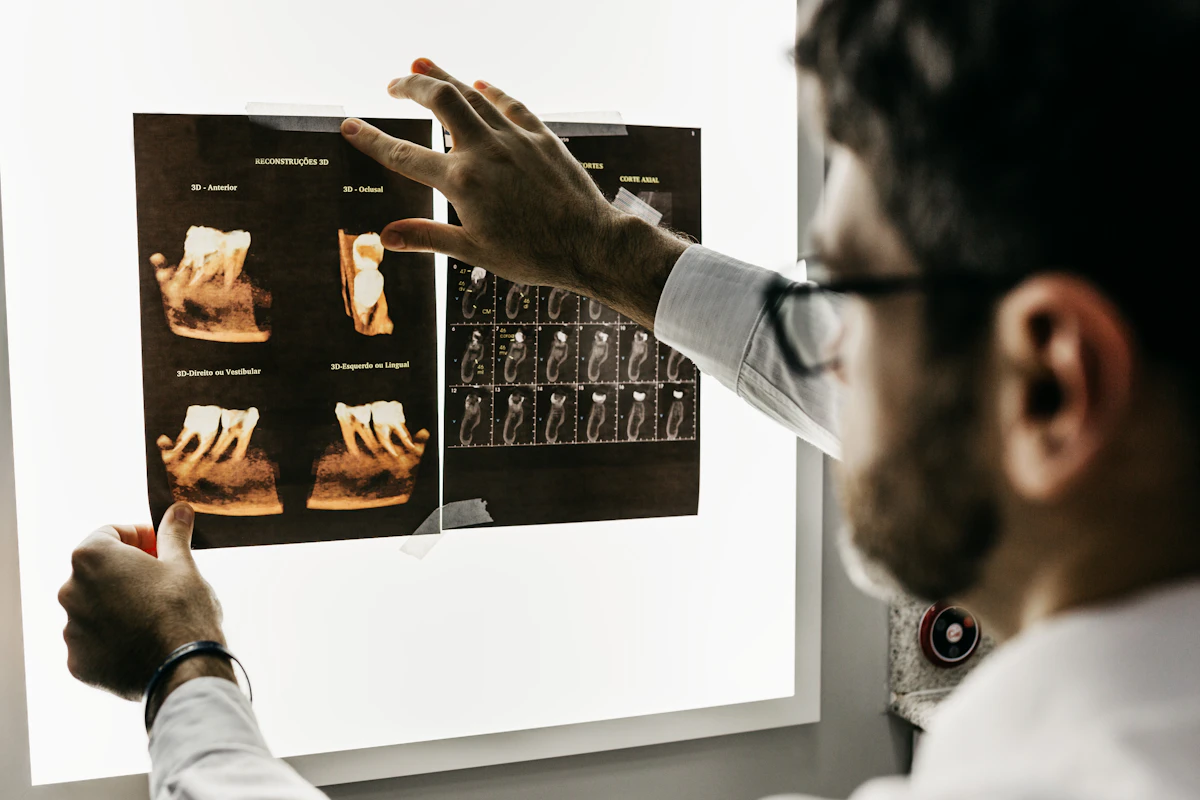
When you lose a tooth, the effects can extend beyond your smile. The jawbone around the missing tooth may slowly become thinner and weaker because it no longer gets the same pressure from chewing. This is called bone loss. It can change the shape of your jaw and affect how your nearby teeth fit together. How much bone you lose depends on why the tooth was lost, the health of your gums, and how long the tooth has been missing. A dentist in Grande Prairie can check the area, explain what may happen, and suggest ways to protect your oral health. Getting dental care early can help you understand your options and lower the risk of further problems.
Why Does the Jawbone Change After Tooth Loss?
The jawbone helps support the teeth and keeps them in place. When chewing, pressure travels through the tooth roots into the bone. This pressure helps the body maintain the bone around each tooth.
When you lose a tooth, the jawbone in that area no longer gets the same pressure as before. Over time, the body starts to break down some of the bone that supported the tooth. This is a natural process, but it can make the jawbone shorter and thinner over time.
Bone loss may happen more quickly during the first few months after tooth removal, although the rate differs from person to person. Gum disease, infection, and injury can also affect the amount of bone that remains.
What Changes Can Happen in Your Mouth?
Losing a tooth can lead to several changes in the mouth, especially when the gap is left untreated.
- A thinner jawbone: The bone near the missing tooth may shrink over time.
- Shifting teeth: Nearby teeth may move into the space, changing how the teeth meet when biting.
- Changes in facial shape: Significant bone loss, especially when several teeth are missing, may affect support for the lips and cheeks.
- Difficulty chewing: Gaps and changes in the bite can make some foods harder to chew.
- Loose dentures: Changes in jaw shape may cause dentures to fit less securely.
A dentist near you can check for these changes and explain whether treatment is needed to support chewing and keep the remaining teeth healthy.
Can Jawbone Loss Be Prevented?
Some bone changes after tooth loss are difficult to avoid completely. However, timely dental care may help reduce further problems and preserve the remaining bone.
Treatment depends on the cause of tooth loss and the condition of the surrounding area. Possible options include:
- Dental implants: An implant replaces the tooth root and transfers some chewing pressure to the jawbone. This may help reduce bone loss in the area it supports.
- Bone grafting: A dentist may add bone material to an area where there is not enough bone to support certain treatments.
- Dental bridges or dentures: These replace missing teeth and help you chew. However, they do not help keep the jawbone as active as dental implants do.
- Gum disease treatment: Treating gum disease can help protect the bone that supports your remaining teeth.
A dentist in Grande Prairie can check your mouth and explain which treatments may be right for you. Not every treatment works for everyone, so the most suitable choice depends on your teeth, gums, and overall oral health.
What Happens If a Missing Tooth Is Left Untreated?
Leaving a gap where a tooth is missing may not hurt at first, but problems can develop over time. The jawbone may slowly shrink, and nearby teeth may move into the space. These changes can affect how your teeth fit together when you bite and may make it harder to replace the missing tooth later.
The risk depends on where the tooth was lost, how many teeth are missing, and whether gum disease or another condition is present. A missing front tooth may mainly affect appearance and speech, while a missing back tooth may affect chewing.
A dentist near you can examine the gap, check the health of nearby teeth and gums, and explain whether replacing the tooth could help prevent further problems.
How Can You Know If Your Jawbone Is Losing Volume?
Jawbone loss often develops without clear symptoms, so it may not be easy to notice at home. Changes in denture fit, shifting teeth, or changes in gum shape may be signs that an examination is needed.
Dental X-rays or other dental images can help show the bone around the missing tooth. These images also help with planning treatments such as implants when needed.
A dentist in Grande Prairie can review your dental history, examine your mouth, and recommend suitable next steps based on the findings.
Give Your Smile the Support It Needs!
Losing a tooth can affect more than your ability to chew, so understanding the health of your jawbone is an important step in planning future care. At Dental Care Centre, you can discuss changes in your mouth, learn about ways to replace missing teeth, and explore treatment options suited to your needs. Take time to understand your choices and book your appointment to plan the next step toward a healthier smile.
FAQs
Does losing one tooth affect the whole jawbone?
Bone loss usually starts in the area where the tooth is missing. It does not mean the whole jawbone will shrink in the same way. However, the changes in that area may affect nearby teeth and how your teeth fit together when you bite.
Can the jawbone grow back naturally?
The body can repair some bone loss, but lost jawbone volume usually does not return fully on its own. Bone grafting may help rebuild an area when needed for certain dental treatments.
Do dentures prevent jawbone loss?
Regular dentures replace missing teeth, but they do not replace the tooth roots. Because of this, the jawbone may continue to shrink or change under the dentures. This can make the dentures fit less well over time.
Can you get a dental implant after bone loss?
Yes, in some cases. It depends on how much jawbone is left to support the implant. If there is not enough bone, your dentist may suggest a bone graft to help build up the area before placing the implant.