

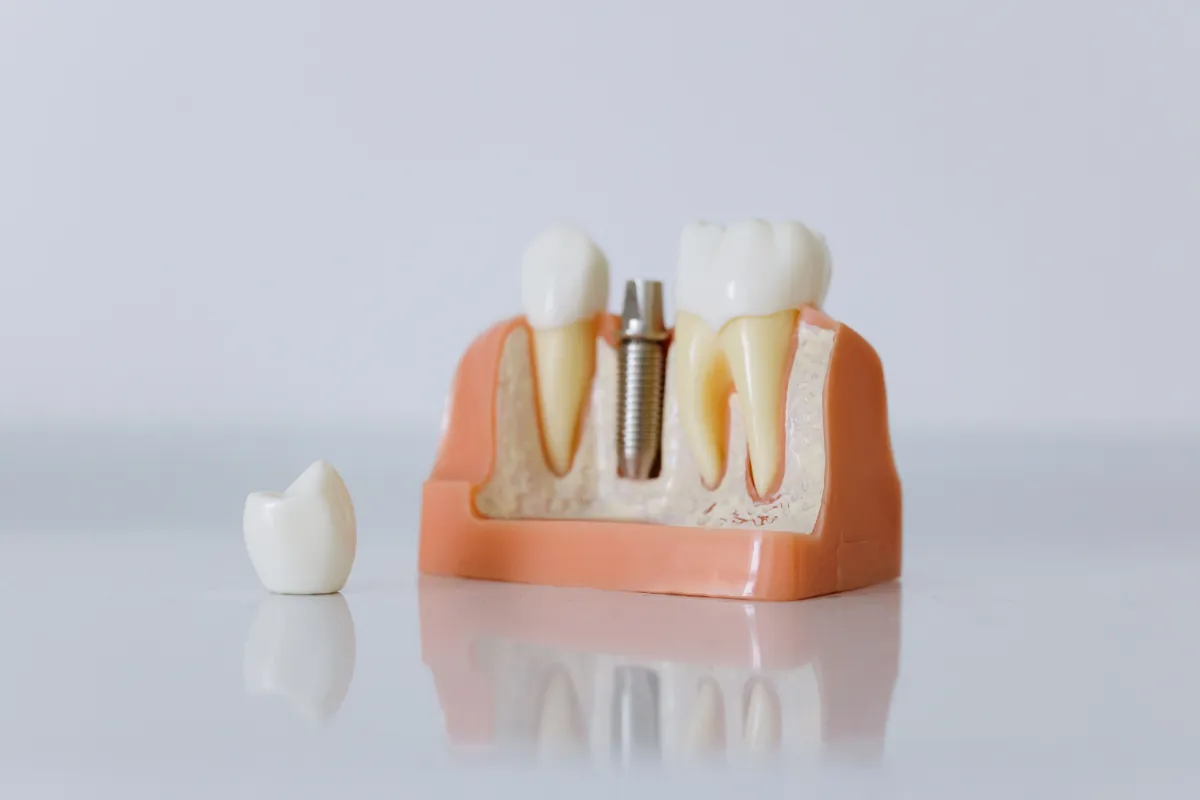
Getting a dental implant takes more than one appointment. The full process may take several months because the jawbone needs time to heal around the implant before the final replacement tooth can be attached. For some people, treatment takes around three to six months, while others need longer if a bone graft or other treatment is required. A dentist in Grande Prairie can examine your teeth, gums, and jawbone to estimate the timeline for your needs.
The process usually starts with a dental checkup, followed by placing the implant, allowing time for healing, and fitting the new tooth. The total time depends on your oral health, how many teeth need to be replaced, and how well you heal. Knowing each step can help you prepare for treatment and understand what to expect.
Step 1: Initial Exam and Treatment Planning
The first step is a dental checkup to see if a dental implant is right for you. The dental team may take X-rays or 3D images to check your jawbone, nearby teeth, and other important areas.
During this visit, the treatment plan may cover:
- The number of teeth that need replacing
- The amount and condition of the jawbone
- Whether gum treatment or a bone graft is needed
- The type of replacement tooth or bridge
- The expected timeline and cost
This stage may take one or more appointments, depending on how much planning is needed.
Step 2: Preparing the Mouth, If Needed
Some people can move straight to implant placement. Others need treatment first to create a healthy base for the implant.
Possible preparation includes:
- Treating gum disease
- Removing a damaged tooth
- Adding bone where the jawbone is too thin or weak
- Allowing an extraction site to heal before implant placement
Healing after a tooth extraction or bone graft can add several weeks or months to the overall timeline. A dentist near you can explain which steps are needed and whether they can be completed together or must be done separately.
Step 3: Placing the Dental Implant
During implant placement, a small post is placed into your jawbone to act like a tooth root. The area is numbed with local anaesthetic to help prevent pain. Sedation may also be available if needed.
Placing each implant may take about an hour or longer, depending on your needs. After this, the implant needs time to join with the jawbone. This helps hold the new tooth firmly in place.
Step 4: Allowing Time for Healing
Healing is often the longest part of treatment. The implant needs to integrate securely with the jawbone, a process that typically takes 3 to 6 months but may take longer in some cases.
During this time:
- Follow the dental team’s instructions for keeping your mouth clean.
- Eat soft foods if the area feels sore.
- Avoid putting too much pressure on the implant while it heals.
- Visit your dentist for follow-up checkups.
You may be able to get a temporary tooth while the implant heals. This depends on how firmly the implant is in place and your treatment plan. The final tooth cannot always be fitted right away.
Step 5: Attaching the Replacement Tooth
Once the implant is stable, the next step is to attach the replacement tooth. This may be a crown for one missing tooth, or a bridge or an implant-supported denture for several missing teeth.
The dental team takes measurements or scans to help ensure the replacement fits your bite and looks natural. One or more appointments may be needed to check the fit and make adjustments.
For many patients, dental implants in Grande Prairie take several months from the first exam to the placement of the final tooth. The timeline can be shorter or longer depending on healing and any extra treatment.
What Can Affect the Total Timeline?
The overall treatment time may change based on:
- Bone health: A bone graft can add healing time.
- Gum health: Active gum disease may need treatment before implant placement.
- Smoking: Smoking can slow down healing and increase the chance of implant problems.
- General health: Some health problems and medicines can affect how well you heal.
- Treatment needs: Replacing several teeth may need more planning and dental visits.
Regular dental checkups and good home care can help the implant heal and stay healthy for a long time.
Take the First Step Toward a Stronger, Complete Smile!
Missing teeth can make it harder to chew food and speak clearly. Learning about tooth replacement options can help you choose what works best for your needs and comfort. The right treatment plan can also help you understand each step and know what to expect.
Contact Dental Care Centre to book a consultation and talk about your smile goals. The dental team can help you determine whether dental implants are right for you and explain the treatment steps, healing time, and care needed to keep your new teeth healthy.
FAQs
Can a dental implant be completed in one day?
Some patients may receive an implant and a temporary tooth on the same day. However, the final tooth is often placed after the implant has had time to bond with the bone.
How long does implant surgery take?
Placing one implant may take about an hour, though the time varies. The full appointment can take longer, and additional implants may require more time.
Is the healing period painful?
You may have some pain, swelling, or bruising after the surgery. These usually get better within a few days. Follow your dentist’s care instructions and contact the dental team if the pain gets worse or the swelling increases.
Can I work the day after implant surgery?
Some people return to light activities the next day, while others need more rest. The right recovery time depends on the complexity of surgery and how you feel.